Circuits, outlets and plug-in solar
The outlet you plug into matters more than the panel you buy. Here's the one electrical idea behind every size limit in these laws, and what it means for where you plug in.
Try it: how a circuit can overload without tripping
Drag the sliders. Start with a big kit and a heater on the same circuit, then tick "dedicated circuit."
Simplified 120 V, 15 A circuit with the appliances past the outlet. Real wiring varies; that's why the laws set limits.
What's happening
A breaker protects the wire by tripping when too much current flows out of the panel. A plug-in kit adds current partway down the circuit. The wire between that outlet and your appliances can then carry the panel's current plus the grid's, while the breaker only sees the grid's part. Most household 15-amp circuits use 14-gauge wire sized for 15 amps. Push past that and the wire heats up with nothing to stop it.
Experts quoted by Stateline describe exactly this risk, and it's why the laws do three things: cap system size (usually 1,200 W), set a lower tier (391 W in Virginia, Maryland and Colorado; 400 W in New Jersey; 420 W in Maine) below which no rewiring is expected, and in some cases require a dedicated circuit for anything bigger.
Picking the outlet
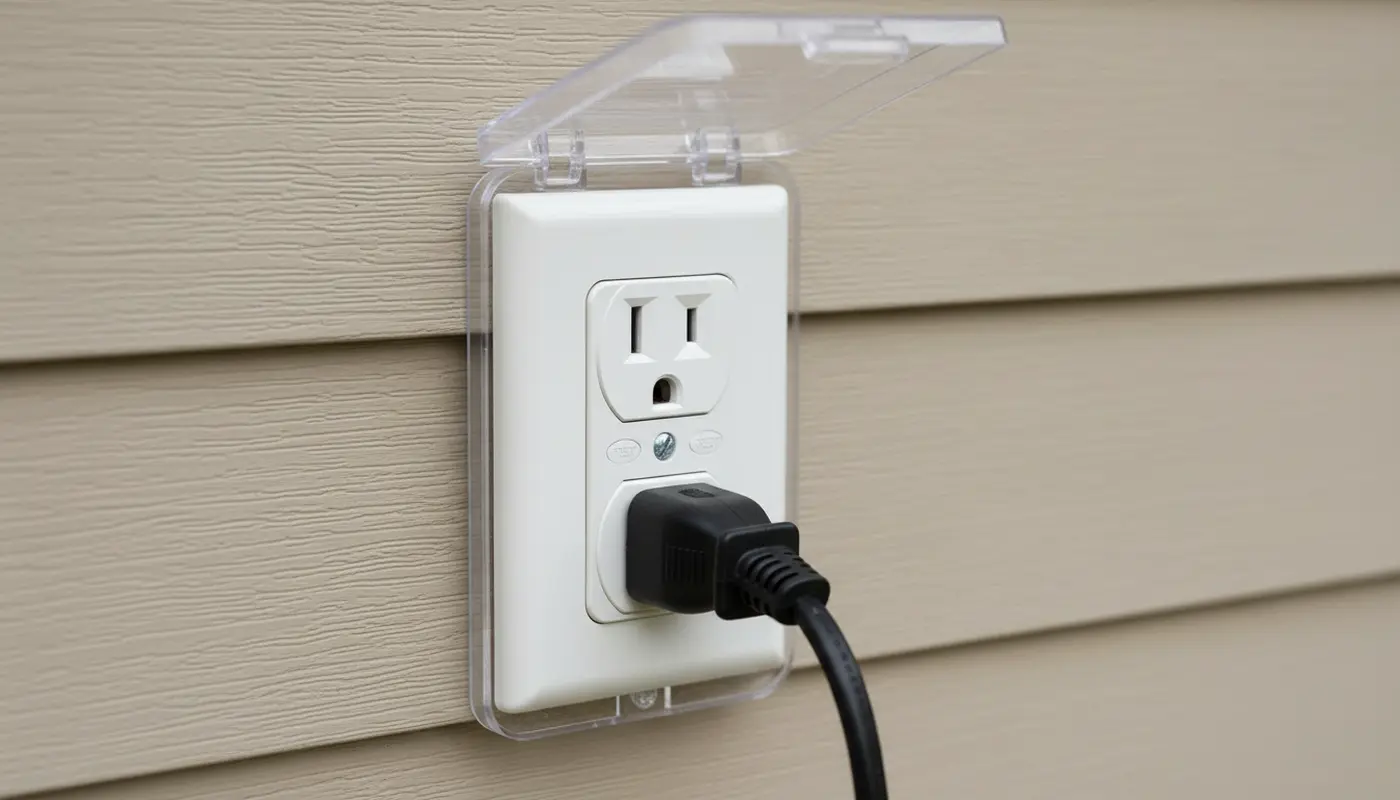
- Outdoor and GFCI-protected. Bright Saver's kits are designed for an outdoor GFCI outlet with an in-use cover. Outdoor receptacles at homes are generally required to have GFCI protection under the National Electrical Code.
- Lightly loaded circuit. Not the circuit with the space heater, window AC, microwave or hair dryer. If you don't know what's on a circuit, flip its breaker and see what goes dark.
- Straight into the wall. No extension cords, power strips or adapters.
- One device per circuit. Colorado's law says one per outlet; Connecticut and Maryland allow one per meter.
When you need a dedicated circuit
Above your state's low tier, plan on one, and in Maine it's required between 420 W and 1,200 W, installed by a licensed electrician. A dedicated circuit is one breaker, one wire run, one outlet: nothing else draws from it, so the overload case can't happen. It's electrical work that usually needs a permit.
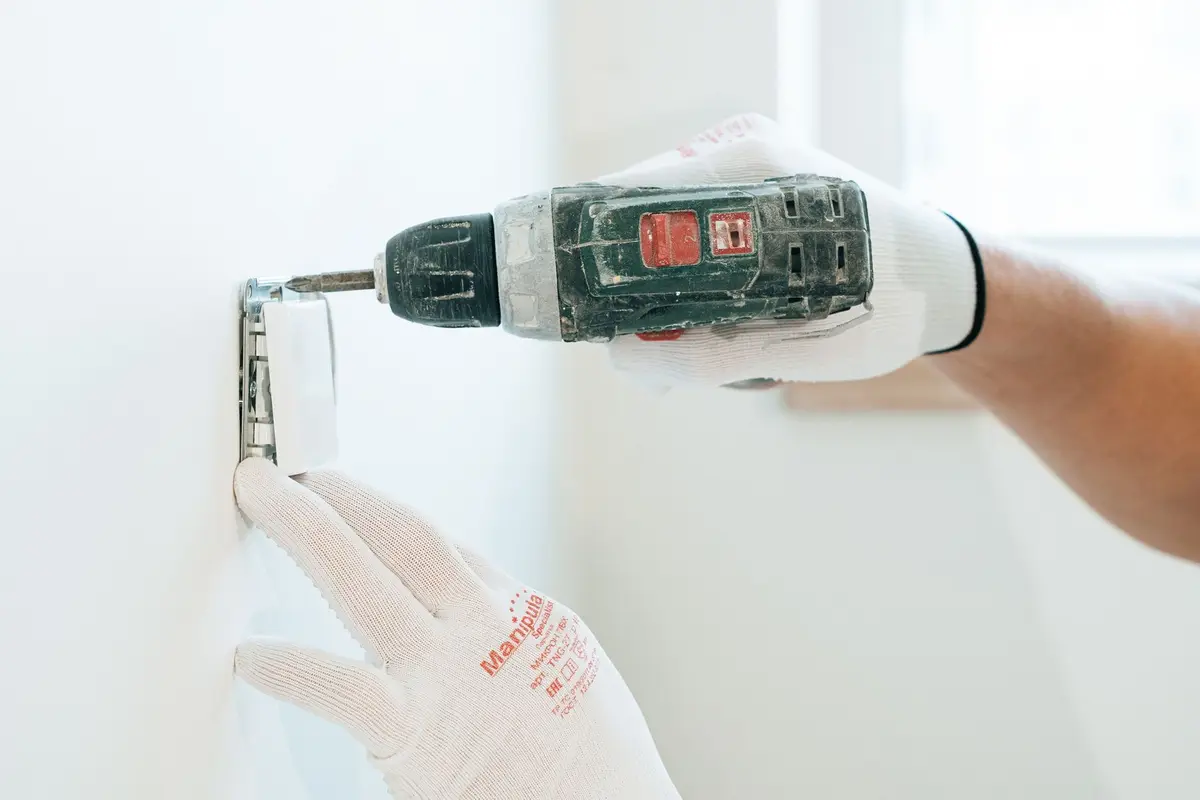
If your home has old wiring, aluminum wiring, or breakers that trip often, have an electrician look before you plug anything in.