Can you plug solar into your outlet? It depends on your state.
Plug-in solar kits are a panel or two, a small inverter and a cord. 6 states allow them today, 4 more have laws starting in 2027, and the rest haven't decided. Tap your state.
Pick a state
You'll get its status, size limit, start date and a link to the law itself.
Status checked Nov 20, 2026 against state legislature pages, with Bright Saver's tracker for bills still in progress.
Where the power goes
Tap a moment of the day to see what the panel, your home and the grid are doing.
Midday, home is busy
The panel's power takes the shortest path: straight to the fridge, router and TV. Your meter pulls less from the grid, and that's the saving.
- Panel
- 300 W
- Home using
- 420 W
- From grid
- 120 W
- To grid
- 0 W
Illustration with example numbers, not a measurement of any product.
Three ways people use a kit
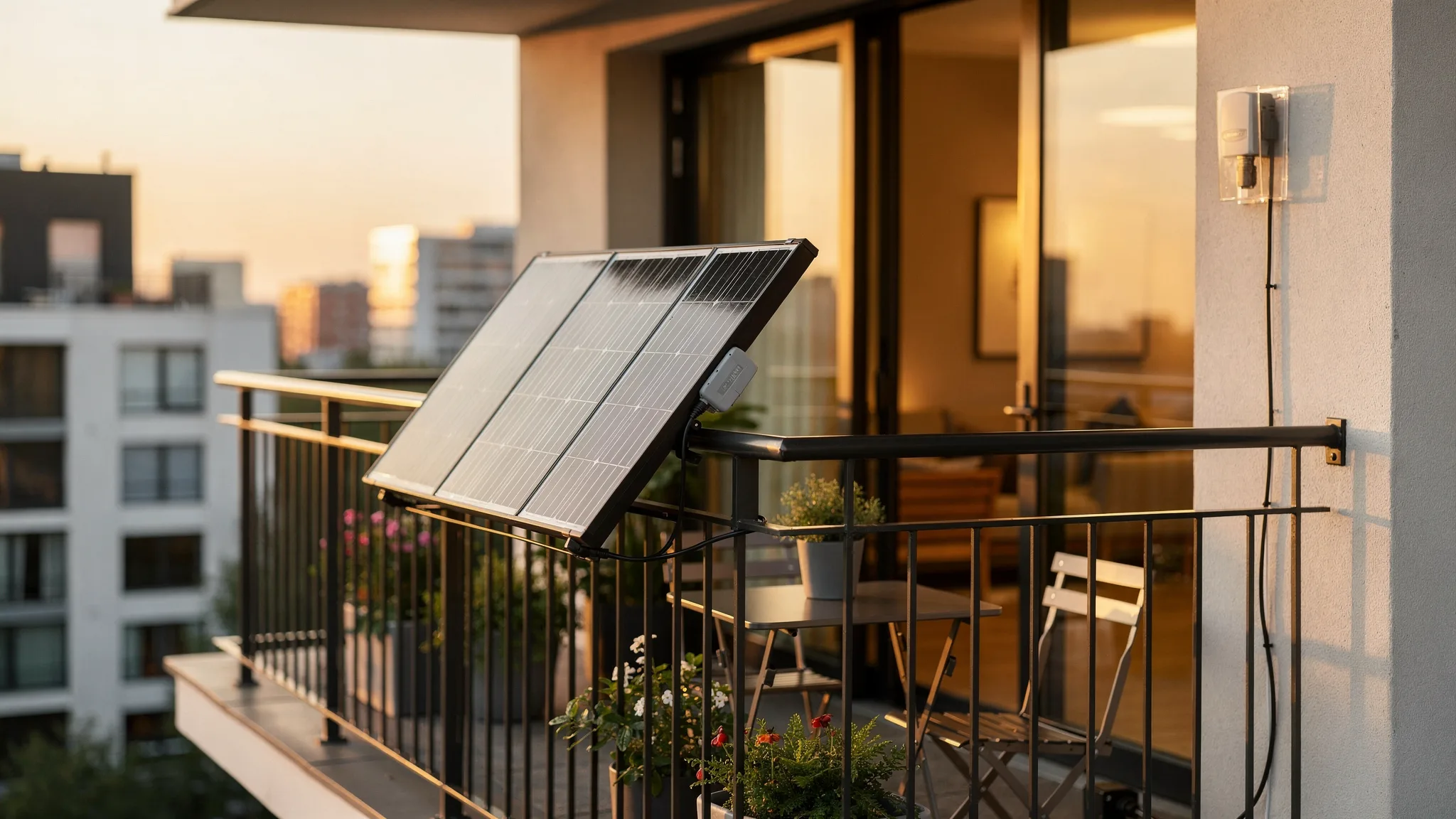
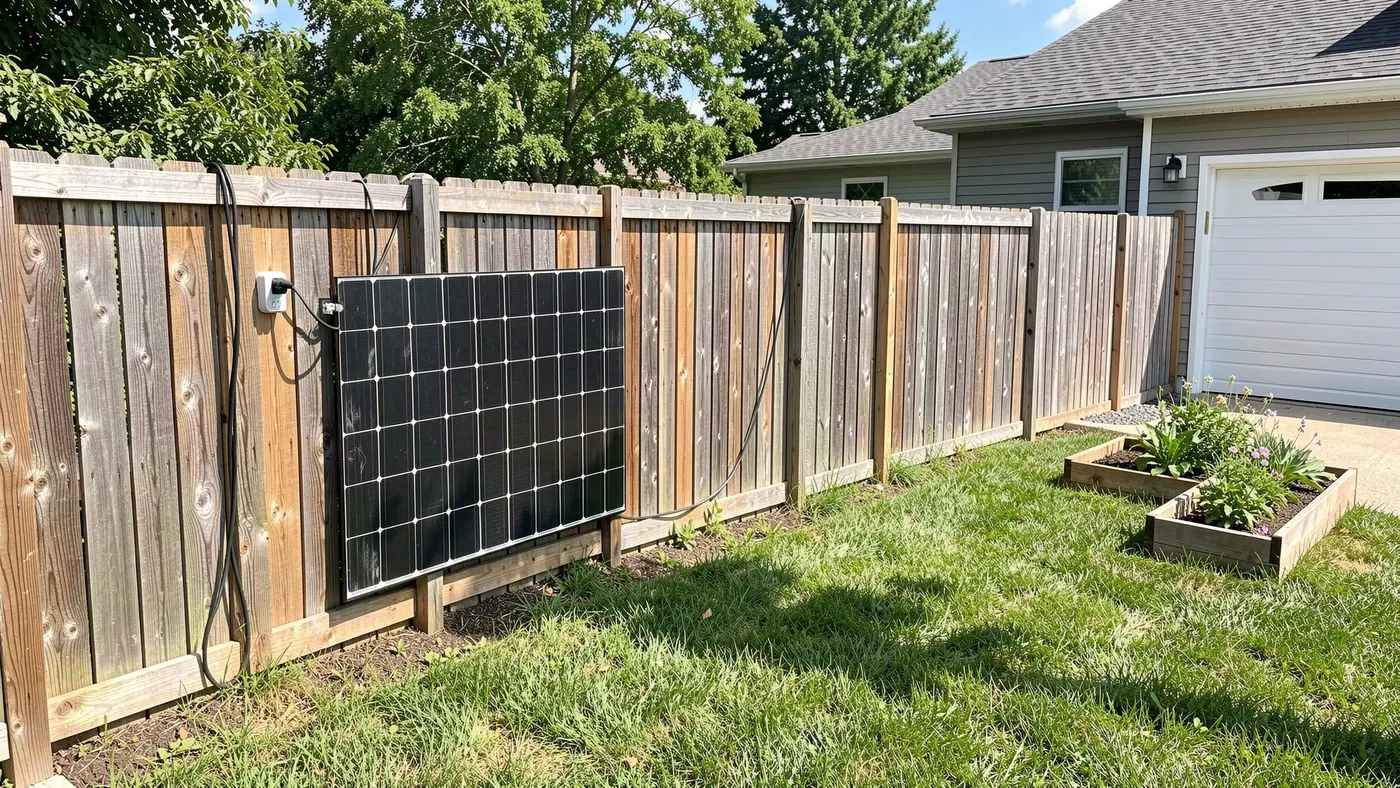
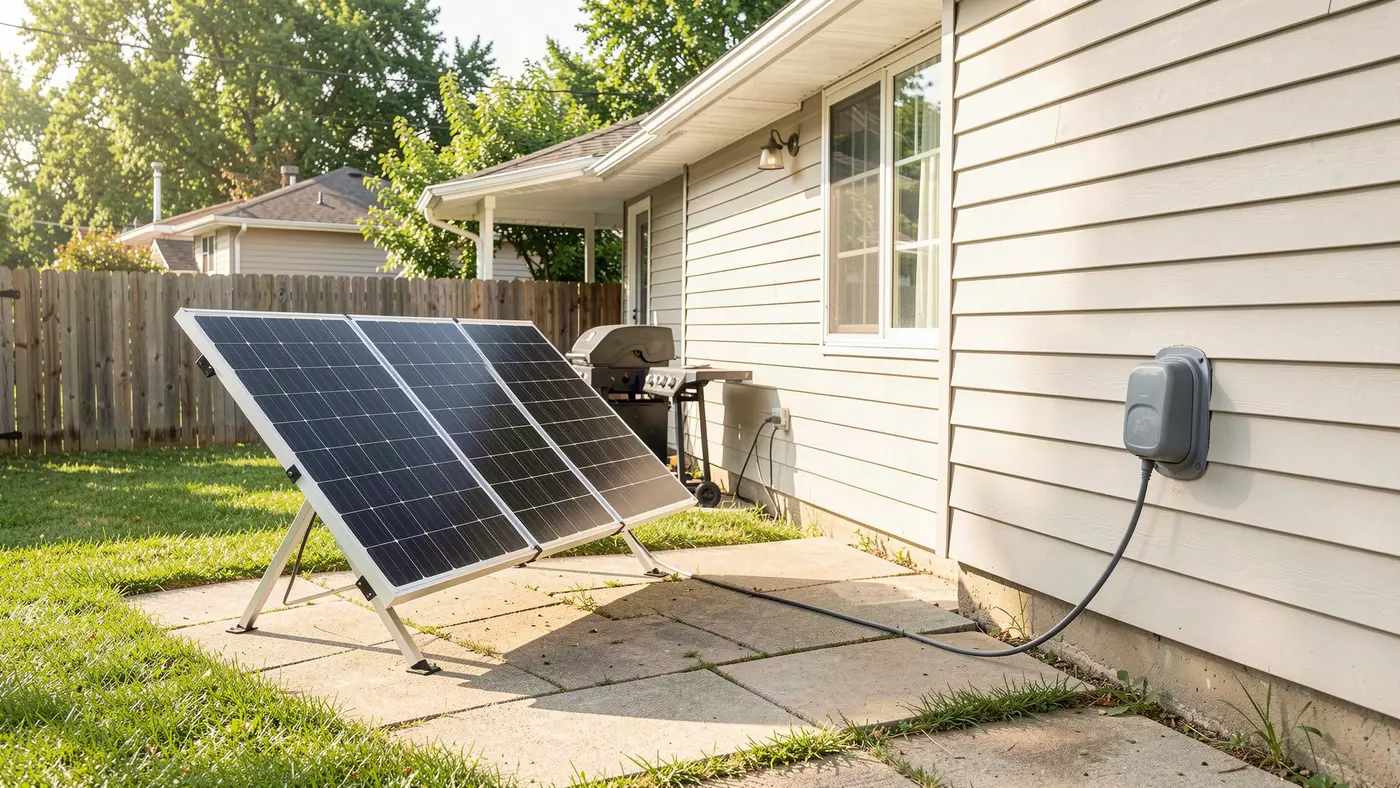
Is it legal here?
Legal now in Colorado, Connecticut, Maine, Maryland, Utah, Vermont. Coming in 2027: California (Jan 1, 2027), New Hampshire (Jan 1, 2027), Virginia (Jan 1, 2027), New Jersey (Mar 1, 2027).
Is it safe?
Safer than it sounds, with conditions. The worry is power flowing the wrong way: into a circuit not built for it, or onto the grid during an outage. Only a few products had any UL 3700 certification by November 2026, mostly for parts rather than whole kits.
Will it pay off?
Solar United Neighbors puts savings at $180 to $800 a year. Where you live matters most: August 2026 home electricity averaged 29.75¢ per kWh in California and 13.31¢ in Utah, per EIA.
Kits you can order now
Not tested by us. Specs, prices and certification claims come from the makers' own pages, checked Nov 20, 2026. The finder sorts them by your state, budget and whether you want a battery.
Bright Saver Balcony Solar Kit, 180 W
180 W panels, 360 W inverterThe cheapest way to try plug-in solar, from the nonprofit that wrote many of the state bills. Small output means small savings.
Certification: Inverter certified to UL 1741 and UL 3700 at the component level; the kit itself is not system-certified to UL 3700 (per Bright Saver).
Where: UT, VA, CO, MD, CT, NH, NJ (per Bright Saver)Bright Saver Balcony Solar Kit, 360 W
360 W panels, 360 W inverterAt 360 W it sits just under the 391 W line several states use to exempt small systems from rewiring rules.
Certification: Same as the 180 W kit: component-level UL 1741 and UL 3700; no whole-system UL 3700.
Where: UT, VA, CO, MD, CT, NH, NJ (per Bright Saver)US Solar Supplier 810 W Balcony Solar Kit (APsystems EZ1)
810 W panels, 900 W inverterA lot of panel for the money. At 810 W it is above the 391 W tier, so check your state's electrician and circuit rules first.
Certification: No kit-level listing claimed. The APsystems EZ1-LV inverter is CSA-certified to UL 3700 and meets UL 1741 SB, per APsystems.
Where: No states named; the seller tells buyers to get utility approval where requiredCraftStrom 800 Watt Plug&Play Solar
800 W panels, 800 W inverterZero-export is a real design difference, but 'legal in all 50 states' is the maker's claim, not a ruling. State certification rules still apply.
Certification: Component-level only: ETL-listed inverter and meter, IEEE 1547. No UL 3700 claim.
Where: Maker says it works in all 50 states because it doesn't export; we haven't been able to confirm that claim$1,846.65Maker's price on Nov 20, 2026; a May 2026 review listed $2,031
Find a kit for my state All kits compared
From The Log
- Our first quarterly report on U.S. plug-in solar
Six states legal, four more in 2027, one system-certified kit, and a median $2.08 per watt. The full numbers. - New York's plug-in solar bill is still waiting on Hochul
Six months after passing, the SUNNY Act has no signature or veto. What New Yorkers can do in the meantime. - Congress gets its first plug-in solar bill
H.R. 10851 would make 1.2 kW plug-in systems exempt from utility approval nationwide and fund rebates of up to $1,000.