Which way should a plug-in solar panel face?
A railing panel is stuck at the angle of your railing and the direction of your balcony. This simulator shows what that costs, by month, with real sun geometry.
Clear-sky sun geometry for a panel facing south. Weather, haze and shade cut real output. We use a standard air-mass model; it's for comparing positions, not predicting your bill.
What to notice
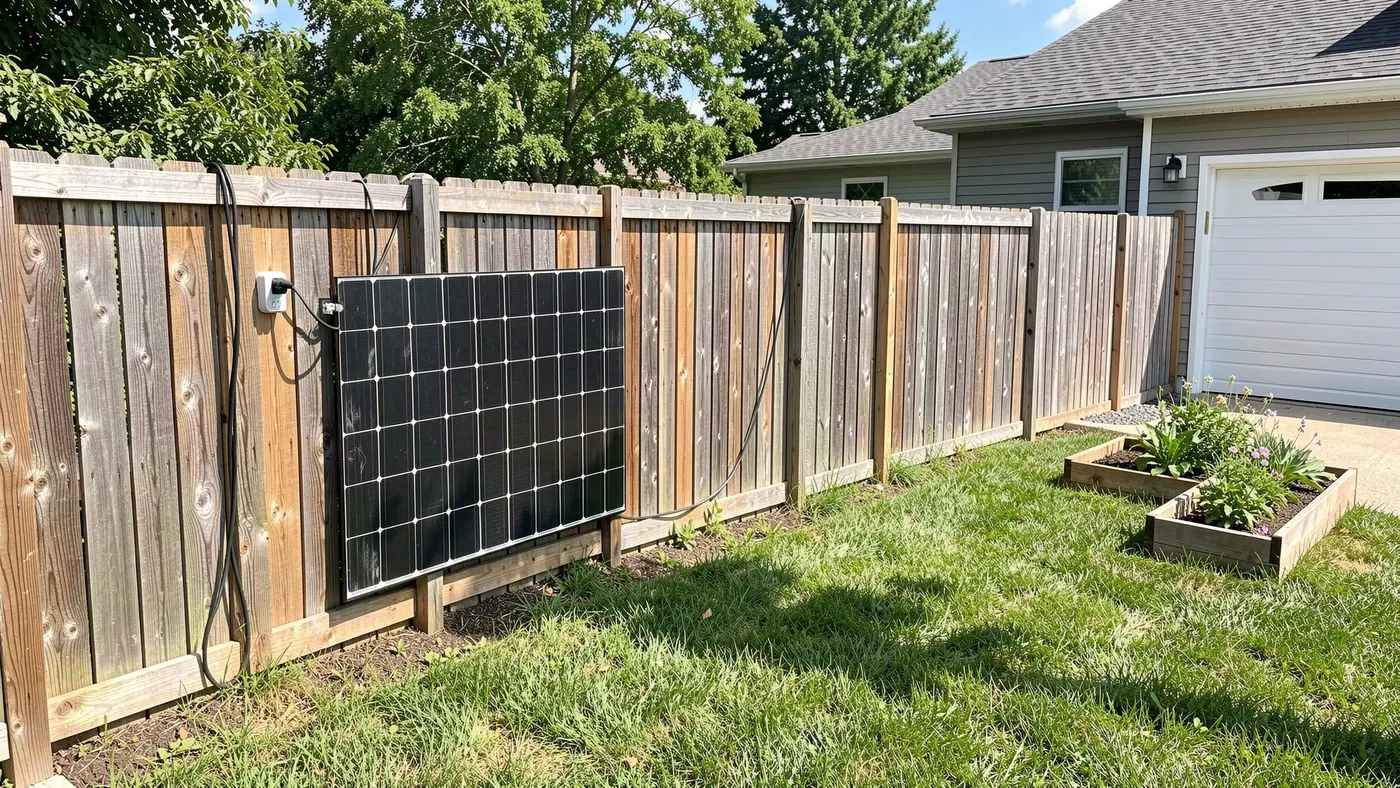
- Vertical isn't always bad. Set the tilt to 90° (a railing) and look at December: the winter sun is low, so a vertical south-facing panel catches a good share of what a tilted one would. In June the same panel does much worse, because the sun is high overhead.
- Direction matters more than tilt. East or west costs some; north gets almost nothing at a steep tilt. A north-facing balcony is usually a poor fit.
- Latitude changes the trade-offs. Slide from Miami to Seattle and watch the winter numbers fall.
Shade
The simulator assumes a clear, unshaded day. In real life, shade from the balcony above, a neighbor's building or a tree can cut output sharply, because shading even part of a panel drags down the whole string of cells. Watch your spot through a full day before you buy, and again in winter when shadows are longest.
Snow and seasons
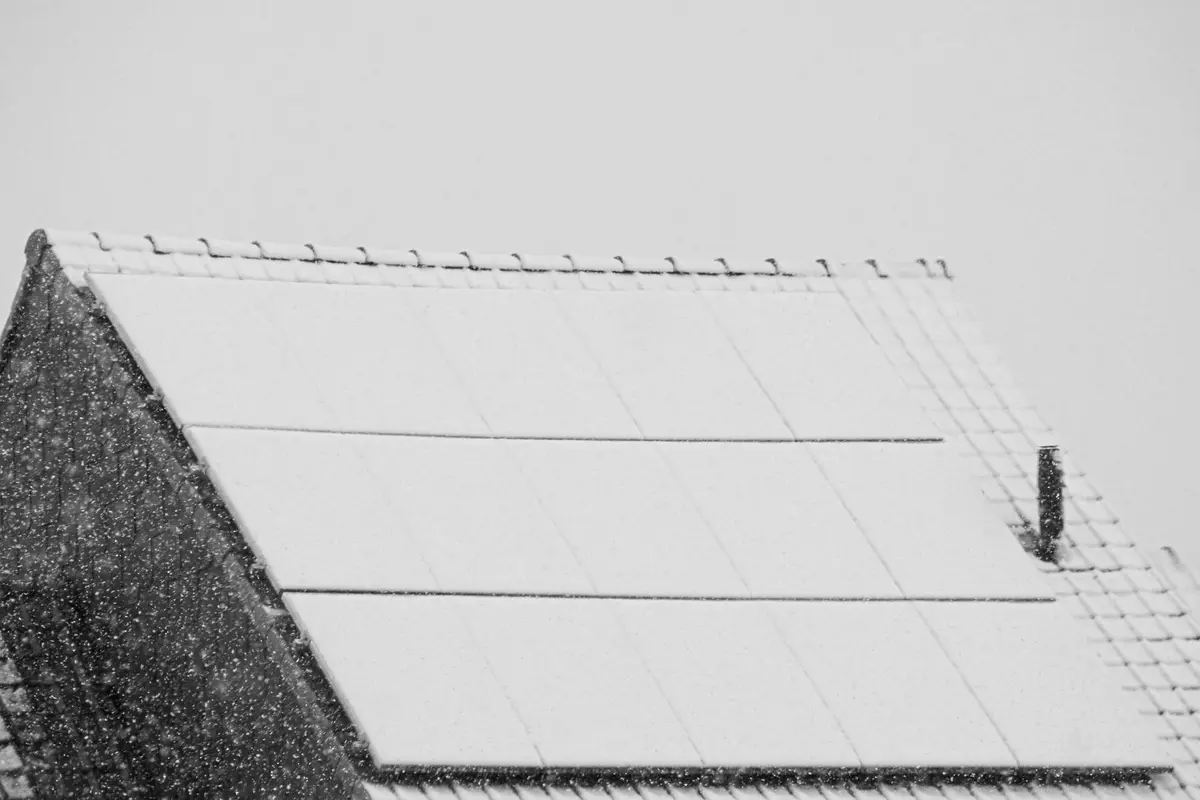
A steep or vertical panel sheds snow faster than a flat one. Production in winter is lower almost everywhere because days are shorter, so judge a kit by its yearly total, not a summer week.
Turn what you learn here into dollars with the payback calculator, which uses a lower yield for railing mounts.