Can I plug in two plug-in solar kits?
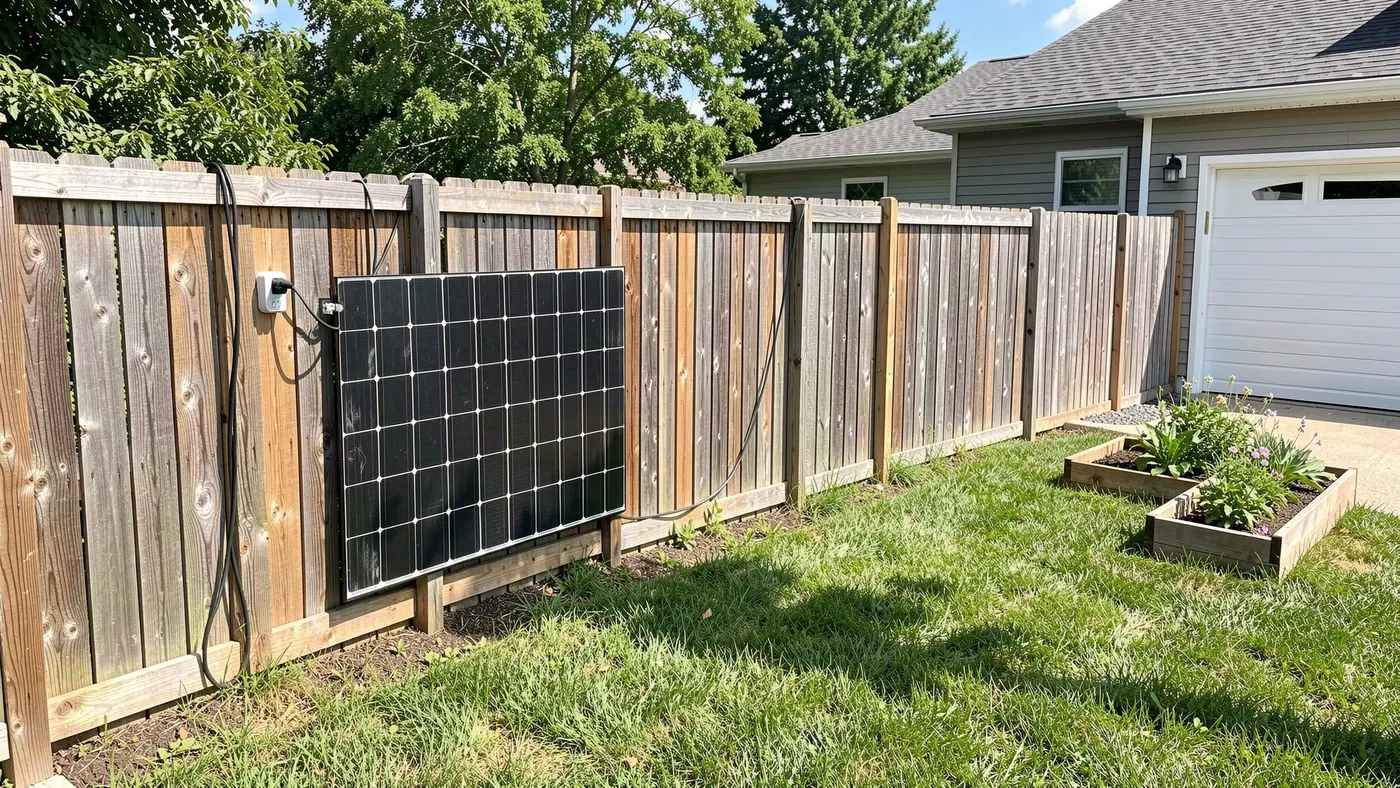
Usually only up to your state's total limit, and some states allow just one device. Two kits on one circuit also doubles the overload risk.
What the laws say
- Connecticut: one device behind a customer's meter.
- Maryland: one system per meter, up to 1,200 W.
- New Hampshire: one unit per metered customer.
- New Jersey (from 2027): 1,200 W combined per service address or dwelling unit.
- Colorado: one device per wall outlet per address, with a single system per address up to 1,920 W.
- Virginia: 1,200 W per customer, or per unit in multifamily housing.
- Vermont: combined inverter capacity of 1,200 W per meter.
- Maine: up to 420 W combined per service address without notice; up to 1,200 W total with an electrician and notice.
- Utah and California: 1,200 W per device (Utah) and per dwelling (California).
The limit is almost always total output, so two 600 W kits count the same as one 1,200 W kit.
The circuit problem
Two kits on the same circuit add their currents. Bright Saver notes that multiple kits each need their own circuit. Keep each kit on a separate, lightly loaded circuit, or better, a dedicated one. See the breaker explainer.
State-by-state detail: state laws.